
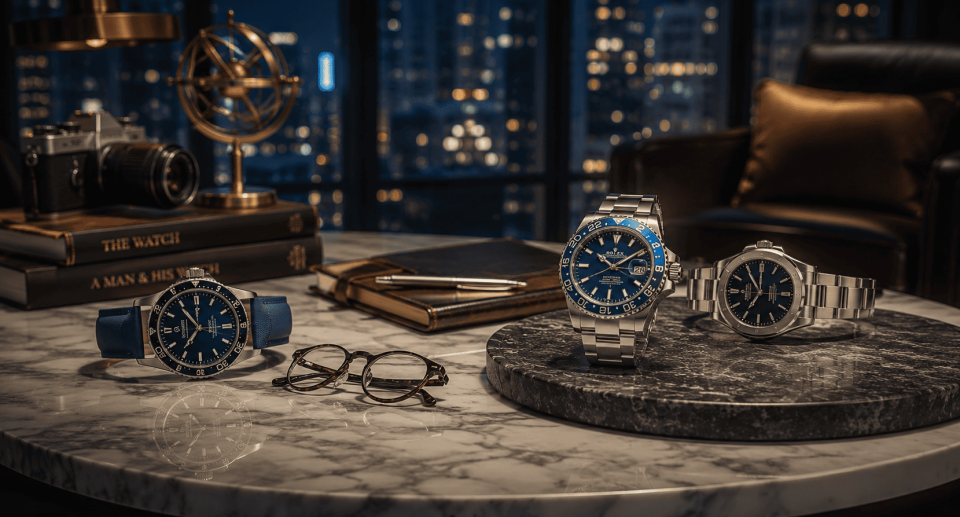
The pre-owned luxury watch market is now worth an estimated $22 billion globally, and it is growing faster than the primary retail segment. That alone tells you something: the real action, for buyers and collectors alike, is happening outside authorized dealer showrooms. But with that growth comes risk. Counterfeits are more sophisticated than ever, pricing is opaque, and the most coveted references are nearly impossible to source through conventional channels.
Whether you are buying your first serious timepiece or adding a fifth to your collection, understanding how this market actually works will save you money, protect you from costly mistakes, and get you closer to the watches that matter most to you.
Why Collectors Turn to the Pre-Owned Market
The appeal is not simply about price, though savings can be significant. For many buyers, the pre-owned market is the only realistic path to certain watches.
Rolex Daytona references, Patek Philippe Nautilus models, and Audemars Piguet Royal Oak Jumbo pieces have waiting lists at authorized dealers that stretch years, sometimes indefinitely. Retailers allocate these models to their best clients first, and a walk-in buyer has virtually no chance. The secondary market removes that bottleneck entirely.
There is also a category of watches that no longer exist at retail because they have been discontinued. Vintage and limited-production references from brands like F.P. Journe, A. Lange and Söhne, and Greubel Forsey are simply unavailable anywhere else. For collectors building a meaningful collection, these are often the most interesting pieces on the market.
The Authenticity Problem: Why It Cannot Be Ignored
Counterfeit watches have become alarmingly convincing. Entry-level fakes have existed for decades, but today’s high-end replicas can fool casual buyers and even some dealers. Swiss finishing techniques, correct weight, and accurate dial printing are no longer exclusive to genuine pieces.
The only real protection is working with a source that has a rigorous authentication process in place. That means:
- Physical inspection by trained specialists, not just visual review
- Movement verification, confirming caliber authenticity and service condition
- Dial originality checks, looking for re-dials, refinished surfaces, and non-original parts
- Documentation review, cross-referencing serial numbers with production records
Platforms like Chrono24 and WatchBox have pushed industry standards forward here, but authentication quality still varies widely across the market. When you are spending serious money, the process behind the sale matters as much as the watch itself.
Reading Condition Honestly: What the Listings Never Tell You
Condition grades in the watch market are inconsistently applied. “Excellent” on one platform can mean something very different on another. Experienced collectors learn to read between the lines.
A few things worth scrutinizing before any purchase:
Case sharpness: Polished cases are a red flag on vintage pieces. Factory polishing removes the crisp edges that define original finishing, and it permanently alters a watch’s collector value. Always ask whether a piece has been polished or remains in unpolished, original condition.
Dial originality: Replaced dials, repainted indices, and refinished surfaces are common in older pieces. These modifications reduce value significantly. Ask for close-up images under different lighting and request confirmation that the dial is untouched.
Bracelet stretch: On steel sports watches, bracelet condition is often overlooked. Stretched links indicate heavy daily wear. Replacement bracelets from the aftermarket, even correct-reference ones, are worth less than original factory bracelets.
Service history: A recently serviced watch is not automatically more desirable. Who performed the service matters. Manufacturer service centers maintain the highest standards; independent watchmakers vary. Ask for documentation.
How Pricing Actually Works in the Pre-Owned Market
Most buyers assume pre-owned prices are simply lower than retail. That is not how it works, at least not for the pieces most people want.
High-demand references like the Rolex Submariner Date in steel or the Patek Philippe 5711 Nautilus regularly trade above their retail list prices because they are simply unavailable through official channels. Supply is constrained, demand is not. The result is a market premium that can range from 20% to well over 100% depending on the reference and current demand.
On the other end of the spectrum, less sought-after references from otherwise prestigious brands can be bought at meaningful discounts to retail. A Patek Calatrava or an IWC Portugieser in standard steel, for example, often sells below its new price in the secondary market because supply is plentiful and the pieces do not carry the same cultural cachet as sportier references.
Understanding where a specific reference sits in that spectrum requires consistent market research. Platforms like Watchuseek and the sold listings on major pre-owned dealers are useful reference points for establishing realistic price ranges.
Finding Rare References: Access Is Everything
For serious collectors, the ability to source a specific watch, not just browse available inventory, is one of the most valuable services in the market. Most buyers do not realize this option exists.
The Wrist Aficionado platform, for instance, operates a dedicated sourcing service for clients looking for references not currently in stock. This is particularly relevant for ultra-limited pieces from independent makers like MB&F, De Bethune, or vintage Rolex references in specific configurations. These are watches that rarely surface publicly and require network access to find.
The broader takeaway is this: if a watch you want does not appear in current listings, it does not mean it is unavailable. A well-connected dealer with global sourcing capability can often locate a specific reference within a reasonable timeframe. It is worth asking.
Selling and Trading: Understanding Your Position
Many collectors underestimate how important it is to understand the selling side of the market before they buy. The liquidity of a watch, its ability to be resold quickly at close to purchase price, is a practical consideration that separates informed buyers from impulsive ones.
Watches with strong secondary market demand retain value well and can be sold or traded with minimal loss. The Rolex sport references, Patek complications, and early AP Royal Oak references all hold value reliably. More niche pieces from smaller independent brands can be harder to move quickly, even when their craft and quality are exceptional.
If you are thinking about selling, the typical options are private sale, auction, consignment, and direct dealer purchase. Each has trade-offs around speed, price achieved, and complexity. Direct dealer purchase is the fastest route and typically achieves slightly below full market value. Consignment takes longer but generally delivers a better net return.
What the Best Collections Have in Common
Collectors who build genuinely impressive horological collections tend to share a few characteristics. They buy with knowledge rather than impulse. They are specific about condition standards. And they think long-term, both about what they want to own and what they want to be able to move eventually.
Browsing a curated watches collection from a specialist dealer is often more instructive than reading about watches in the abstract. Seeing which references are available, at what price points, and in what condition gives you a working understanding of the market that no article fully replicates.
The other consistent trait: the best collectors ask better questions. They push on condition details, ask about service records, request additional photographs, and verify provenance before committing. Patience at the research stage consistently produces better outcomes than moving quickly.
Key Takeaways
- The pre-owned market is often the only practical route to the most desirable references, particularly those with long authorized dealer wait lists
- Authenticity verification is non-negotiable; the quality of that process should be a deciding factor in who you buy from
- Condition nuances like polishing, dial originality, and bracelet wear affect value more significantly than most buyers initially realize
- Pre-owned pricing does not follow a simple “cheaper than retail” logic; high-demand references often trade at premiums while others sit below list price
- Sourcing services from specialist dealers can unlock specific references that never appear in public listings
FAQ
Is the pre-owned luxury watch market safe for first-time buyers? It can be, provided you work with a reputable, specialist dealer who performs documented authentication. Buying from private sellers or unverified platforms carries real risk. Stick with dealers who can demonstrate their verification process and offer some form of authenticity guarantee.
How do I know if a pre-owned watch price is fair? Research sold prices, not asking prices, on multiple platforms. Chrono24 and major specialist dealers provide useful reference points. Bear in mind that condition, box and papers, and service history all affect value, so direct comparisons require matching those variables as closely as possible.
Do box and papers really matter that much? For most buyers, yes. A complete set with original box, papers, and any additional accessories typically commands a 10% to 20% premium over the same reference without. For certain references, particularly Patek Philippe, the premium can be higher. Beyond value, papers provide provenance and confirm the watch’s production details.
What is consignment and when should I use it? Consignment means a dealer sells your watch on your behalf rather than buying it outright. You typically receive a higher net price than a direct sale, but the process takes longer and the timeline is uncertain. It suits sellers who are not in a hurry and want to maximize their return.
Are vintage watches a good entry point for new collectors? It depends on your goals. Vintage pieces offer unique history and often striking design that modern watches cannot replicate. However, condition verification is more complex and service costs can be higher. A good starting point is a well-documented vintage reference from a major brand, purchased through a specialist with expertise in that category.
Conclusion
The pre-owned luxury watch market rewards knowledge more than almost any other collector category. Understanding how authentication works, how pricing behaves across different references, and how to find pieces that are not publicly listed are skills that develop over time, but they are learnable. The collectors who navigate this market well are not necessarily the ones with the biggest budgets. They are the ones who ask better questions and do their research before committing.
Start with the references that genuinely interest you, learn their market dynamics specifically, and build from there.