
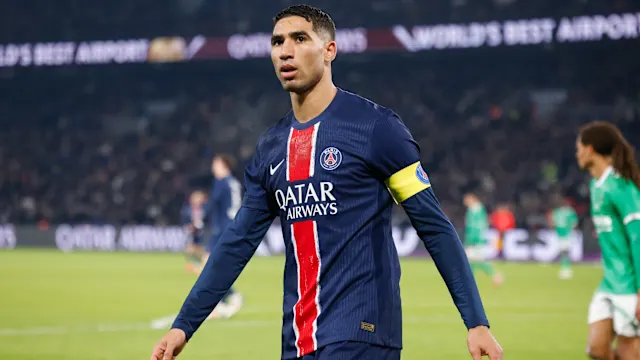
In Ligue 1, match outcomes are often shaped less by how teams start games and more by how they manage advantage. A recurring pattern across several seasons shows that certain teams regularly take the lead but fail to preserve it, conceding equalizers that turn potential wins into draws. This behavior is not random or purely psychological. It emerges from identifiable tactical decisions, squad structures, and match-state responses that repeat across fixtures and opponents.
Game-State Management After Scoring the First Goal
When a Ligue 1 team scores first, the immediate tactical response often determines whether the lead becomes stable or fragile. Some teams instinctively retreat into deeper defensive blocks without adjusting pressing triggers or midfield spacing. This creates a mismatch between defensive intention and execution, allowing opponents to regain territory and possession without meaningful resistance.
The issue is not defensive football itself but defensive transitions that are poorly coordinated. Teams that stop progressing the ball forward after scoring invite sustained pressure, which statistically increases the probability of conceding from second-phase attacks, set pieces, or long-range shots. Over time, this pattern results in a high frequency of equalizers rather than isolated incidents.
Structural Defensive Weaknesses That Reappear Across Matches
Repeated equalizers are rarely caused by single-player errors. They are usually linked to structural weaknesses embedded in the team’s defensive organization. These weaknesses become visible when opponents increase tempo after going behind.
Common structural issues include:
- Fullbacks advancing without adequate midfield cover
- Center-backs forced into wide areas during defensive transitions
- Defensive midfielders positioned too high to protect zone 14
- Lack of compactness between defensive and midfield lines
These flaws do not always lead to immediate goals, but they create consistent access points that opponents exploit once they increase attacking urgency. The repetition of these patterns explains why certain teams are frequently pegged back regardless of opponent quality.
The Role of Possession Turnover and Transition Exposure
Possession-heavy teams in Ligue 1 often face a paradox after scoring. While maintaining the ball seems like a control mechanism, careless turnovers in advanced zones can expose slow defensive recovery structures. Opponents who are trailing tend to commit more players forward, making counter-pressing failures far more costly.
This dynamic is especially visible against mid-table teams that are comfortable absorbing pressure before transitioning quickly. When a leading team loses the ball during lateral or backward circulation, the defensive line is often unprepared for vertical progression, increasing the likelihood of conceding an equalizer from open play rather than sustained buildup.
Why Timing of Substitutions Influences Equalizer Frequency
Substitution strategy plays a significant role in whether a lead is protected or lost. Coaches who prioritize like-for-like substitutions without adjusting team shape often fail to address changing match dynamics. Fatigue-related concentration drops typically occur between the 60th and 80th minutes, precisely when many equalizers are conceded.
Late substitutions that focus solely on defensive reinforcement can also backfire. Introducing additional defenders without restructuring pressing responsibilities may increase numerical presence but reduce clarity in marking assignments. This confusion often benefits the attacking side rather than stabilizing the defense.
Statistical Patterns Behind Repeated Equalizers
Looking at match data across multiple Ligue 1 seasons reveals that teams frequently conceding equalizers share similar statistical profiles. These profiles help explain why the issue persists beyond individual matches.
Before examining the data, it is important to understand that these indicators do not predict single-game outcomes. Instead, they reveal long-term tendencies that correlate strongly with equalizer frequency.
| Metric | High Equalizer Teams | League Average |
| Average possession after leading | 41% | 47% |
| Shots conceded after scoring | 6.2 | 4.5 |
| Defensive duels won (%) | 52% | 58% |
| Goals conceded after 60’ | 0.48 per match | 0.31 per match |
These metrics show that teams often pegged back tend to concede more shots, lose more duels, and surrender control once they take the lead. The data supports the idea that equalizers are the result of sustained vulnerability rather than isolated mistakes.
Psychological Pressure Versus Tactical Reality
It is common to attribute repeated equalizers to mentality or confidence issues, but psychological explanations alone are insufficient. Pressure becomes decisive only when tactical frameworks fail to support decision-making under stress.
Teams with clear positional roles and automated defensive behaviors are less affected by momentum swings. In contrast, teams relying on improvisation or individual defensive actions are more likely to break down when opponents increase intensity. This explains why equalizers often occur during phases of chaotic play rather than structured attacks.
Betting and Analytical Implications of Equalizer-Prone Teams
Understanding which Ligue 1 teams frequently concede equalizers has analytical value beyond tactical discussion. From a match evaluation perspective, early leads by these teams should not be weighted as heavily as scorelines suggest. Their historical inability to control game states makes them unreliable in scenarios where protecting a narrow advantage is required.
For analysts who evaluate match dynamics in real time, platforms like ufabet168 are often referenced when studying how live odds adjust after a first goal. When a team with a known tendency to concede equalizers takes the lead, market movements frequently reflect this risk through reduced price stability rather than sharp shifts. This adjustment is rooted in observable match behaviors rather than speculation, reinforcing the importance of historical pattern recognition when assessing in-play situations.
Conditions That Reduce or Intensify the Risk of Being Pegged Back
Not all matches follow the same trajectory, even for teams with a history of conceding equalizers. Certain conditions significantly alter the risk profile.
Before outlining these conditions, it is important to note that they interact rather than operate independently. A single stabilizing factor may not be sufficient on its own.
- Opponent pressing intensity after conceding
- Match location and crowd influence
- Availability of defensive midfield rotation options
- Weather and pitch conditions affecting tempo
When multiple risk factors align, the probability of an equalizer increases sharply. Conversely, controlled match tempo and disciplined midfield coverage can temporarily suppress these tendencies, even in structurally vulnerable teams.
Summary
Ligue 1 teams that are frequently pegged back after taking the lead share identifiable tactical and structural characteristics rather than random misfortune. Poor game-state management, recurring defensive weaknesses, risky possession patterns, and ineffective substitution timing combine to undermine their ability to protect advantages. Statistical trends confirm that these teams concede more pressure and lose control once ahead, making equalizers a predictable outcome under certain conditions. Understanding this behavior requires looking beyond individual goals and focusing on how teams respond collectively to leading situations, which ultimately defines whether an early advantage becomes a win or a recurring draw.